
| 3 Views | Latest newsCall Connect

You look at your teeth in the mirror and notice that some are crowded, one tooth sits behind another, or there is a visible gap between your front teeth. You may have thought about braces for months but keep wondering whether your problem is serious enough to need them.
That hesitation is common.
Dental braces in Dwarka are not only about making teeth look straight. They can also help improve how your teeth meet, make certain areas easier to clean, and support better long-term oral function in suitable cases.
The important part is knowing whether braces are actually appropriate for your teeth.
Look Beyond the Mirror
Crowding is not the only clue
Crowded or overlapping teeth are easy to notice, but they are not the only reason someone may need orthodontic treatment.
Other signs can include:
-
Large gaps between teeth
-
Teeth that stick out noticeably
-
Difficulty biting or chewing
-
An overbite or underbite
-
Teeth that do not meet properly
-
Jaw discomfort associated with certain bite problems
-
Difficulty cleaning between crowded teeth
-
Teeth that have shifted over time
Some of these issues may be mild, while others deserve a proper orthodontic assessment.
Your bite matters too
A smile can look reasonably straight while the bite is still not ideal.
That is why an orthodontic consultation should look at the position of your teeth, your bite, jaw relationship, and overall oral health—not just the appearance of your front teeth.
Braces Are Not Just for Children
Adults can consider orthodontic care too
A common misconception is that braces are only meant for teenagers.
Adults can also undergo orthodontic treatment if their teeth and supporting structures are suitable.
You may have postponed treatment because of college, work, marriage, or simply because you assumed you were too old.
Age alone does not decide whether braces are possible. Your dentist or orthodontist needs to assess your individual dental condition first.
Choose the Treatment Around Your Teeth
There is no single solution for everyone
Traditional metal braces remain a reliable option for many patients.
Depending on the case, other orthodontic approaches may also be considered, such as:
-
Ceramic braces
-
Metal braces
-
Clear aligners in suitable cases
-
Other customised orthodontic appliances
The right option depends on the amount of tooth movement required, your bite, treatment goals, oral health, lifestyle, and budget.
A treatment that works beautifully for one person may not be the right choice for another.
Here Is the Advice We Would Challenge
Do not choose braces only because they look popular
People sometimes select orthodontic treatment based entirely on photographs or what friends are using.
That can be misleading.
The most discreet-looking option is not automatically the most effective option for every dental problem.
Before choosing treatment, understand what movement your teeth actually require. Ask about the expected treatment duration, cleaning requirements, possible discomfort, follow-up visits, and retention after treatment.
The goal should not be to choose the most fashionable braces. The goal should be to choose the treatment that safely addresses your dental problem.
A Real Patient Lesson
Small problems can become frustrating problems
We have seen patients who initially ignored mild crowding because it did not cause pain.
Over time, cleaning between overlapping teeth became more difficult, and the patient became increasingly unhappy with the appearance of their smile.
An orthodontic assessment helped identify the actual alignment and bite concerns. Instead of guessing from appearance alone, the treatment discussion could then focus on what the teeth genuinely needed.
That is an important reason not to wait for orthodontic problems to become uncomfortable before getting them assessed.
Braces Need More Than an Appointment
Your daily habits affect the result
Getting braces fitted is only the beginning.
You may need to attend regular adjustment or review appointments and pay closer attention to brushing and cleaning around brackets and wires.
Sticky, hard, or sugary foods may also need to be limited depending on your treatment.
Good cooperation matters because orthodontic treatment works over time, not overnight.
A Straight Smile Still Needs Healthy Teeth
Orthodontics cannot replace dental hygiene
Braces can make cleaning more challenging, particularly around brackets and wires.
Plaque accumulation can increase the risk of cavities and gum problems if oral hygiene is neglected.
Before and during orthodontic treatment, regular dental check-ups, proper brushing, cleaning between teeth, and professional guidance are important.
A straight smile is much more valuable when the teeth and gums supporting it are healthy.
Main Dental Specialties
Care for alignment, appearance, and oral health
Our main specialties include:
-
Dental braces and orthodontics
-
Cosmetic and aesthetic dentistry
-
Smile designing
-
Dental implants
-
Root canal treatment
-
Dental crowns and bridges
-
General and preventive dentistry
-
Teeth cleaning and gum care
-
Restorative dentistry
-
Laser dentistry
This broader approach helps us consider orthodontic needs alongside the overall condition of your teeth and gums.
Meet Divine Dentistry Implants & Laser Centre
Your treatment should fit your needs
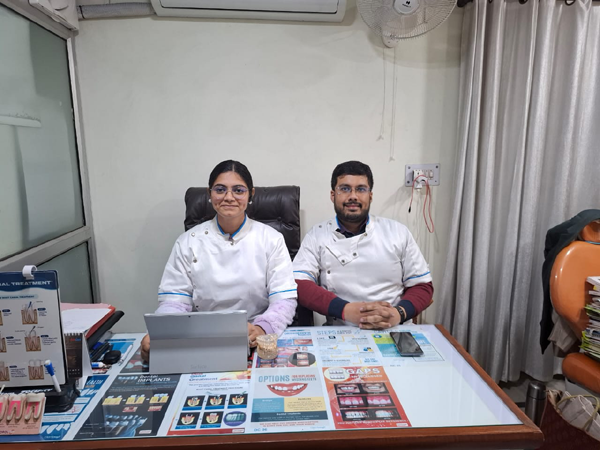
DIVINE DENTISTRY IMPLANTS & LASER CENTRE provides comprehensive dental care, including orthodontics and dental braces, cosmetic dentistry, smile designing, dental implants, root canal treatment, crowns and bridges, restorative dentistry, and laser dentistry. Our approach focuses on understanding each patient's dental concerns before recommending a practical treatment plan.
The 2025 Oral Health Statistic Worth Knowing
Healthy teeth should remain the priority
In 2025, the World Health Organization reported that oral diseases affect nearly 3.7 billion people worldwide.
That number puts orthodontic treatment into perspective.
Braces may improve alignment and appearance, but they should be considered as part of wider oral care. Keeping your teeth, gums, and supporting structures healthy remains important before, during, and after orthodontic treatment.
Signs It May Be Time for an Assessment
Your teeth may be giving you clues
Consider speaking with a dental professional if you notice:
-
Teeth becoming increasingly crowded
-
Gaps that concern you
-
A noticeable overbite or underbite
-
Difficulty biting certain foods
-
Teeth that appear rotated or displaced
-
Trouble cleaning between overlapping teeth
-
Changes in your bite
-
Teeth shifting after previous orthodontic treatment
-
Feeling self-conscious about your smile
You do not have to decide on braces simply because you book an assessment.
A consultation can help you understand whether orthodontic treatment is necessary, which options may be suitable, and what the process could involve.
What to Discuss Before Starting
Get the practical details first
Before committing to treatment, ask about:
-
The orthodontic problem being treated
-
Available treatment options
-
Expected treatment duration
-
Follow-up schedule
-
Cleaning and food restrictions
-
Possible discomfort
-
Retainers after treatment
-
The expected long-term result
Clear answers can make the treatment journey much easier to manage.
Frequently Asked Questions
What age is best for braces?
There is no single ideal age for everyone. Orthodontic treatment is commonly started during childhood or adolescence, but adults can also benefit from braces if their teeth and gums are suitable.
How long do braces take?
Treatment time varies according to the amount of tooth movement, bite problems, age, and patient cooperation. Some cases may take less time, while more complex alignment problems can require longer treatment.
Are braces painful?
Braces usually do not cause constant pain, but you may experience temporary pressure, tenderness, or mild discomfort after placement or adjustments. This generally settles as you adapt to the treatment.
A Better Smile Starts With the Right Assessment
You do not need to wait until your teeth become severely crowded or your bite becomes uncomfortable before asking for professional advice.
If you have been thinking about braces, the first step is simple: understand what is happening with your teeth and what options are available.
Book a consultation with Divine Dentistry Implants & Laser Centre for dental braces in Dwarka and get your teeth, bite, and orthodontic needs properly assessed.
Do not choose braces simply because you want straighter teeth. Choose a treatment plan that supports a healthier, more comfortable, and confident smile.
- Dental Braces in Dwarka Sector 6
- Dental Braces in Dwarka Sector 11
- Dental Braces in Dwarka Sector 17
- Dental Braces in Dwarka Sector 18